October - Beat the Cold - Buy a Warm Home!
Window Maintenance
common home problems series
Window Maintenance: How to Protect Comfort, Efficiency, and Your Home’s Health
Windows do much more than let light into your home. They control heat, manage moisture, provide ventilation, and protect the structure around them. When windows are neglected, small issues can quietly turn into drafts, rot, mold, and energy loss.
The good news? Basic window maintenance is simple, inexpensive, and can significantly extend the life of your windows—old or new.
Why Window Maintenance Matters
Poorly maintained windows can lead to:
- Air leaks and uncomfortable drafts
- Condensation and hidden moisture damage
- Wood rot in sills and framing
- Higher heating and cooling bills
- Mold growth around window openings
- Premature window failure and costly replacements
Windows are part of your home’s building envelope—when they fail, the home suffers.
Common Window Problems Inspectors See
From an inspection perspective, these issues show up again and again:
- Failed seals in double-pane windows (fogging or moisture between glass)
- Dried, cracked, or missing exterior caulking
- Paint failure and exposed wood on sills
- Poor drainage from clogged weep holes
- Windows that won’t open, close, or lock properly
- Condensation caused by indoor humidity, not bad glass
Many of these problems start small and are easily preventable.
Basic Window Maintenance Checklist
1. Clean Windows and Frames Regularly
- Wash glass inside and out at least twice per year
- Clean dirt and debris from tracks and sills
- Avoid pressure washing directly at window seams
Clean windows reveal early warning signs before damage sets in.
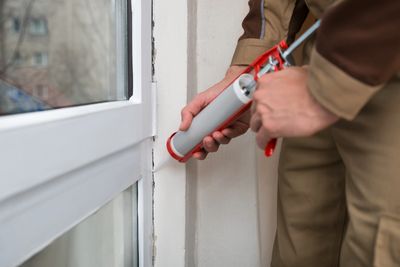
2. Inspect and Maintain Exterior Caulking
- Check caulking around window trim annually
- Look for cracking, gaps, or separation
- Re-caulk as needed using exterior-rated sealant
Caulking keeps bulk water out—when it fails, moisture gets in fast.
3. Check for Paint Failure and Wood Damage
- Inspect wood sills and trim for peeling paint or softness
- Touch up paint to protect exposed wood
- Address rot early before structural repairs are needed
Paint isn’t just cosmetic—it’s protection.
4. Keep Weep Holes Clear
- Many vinyl and aluminum windows have small drainage holes
- Use a soft brush or compressed air to keep them open
- Never seal or paint over weep holes
Blocked weep holes trap water inside the window system.
5. Test Operation and Locks
- Open and close each window fully
- Confirm locks engage properly
- Lubricate tracks and hardware if needed
Windows should operate smoothly—sticking windows often indicate movement or moisture issues.
6. Watch for Condensation
Condensation doesn’t always mean window failure.
- Interior condensation often points to high indoor humidity
- Between-pane condensation usually indicates seal failure
Managing humidity through ventilation and bath fans can protect windows and indoor air quality.
Seasonal Window Tips
Spring
- Inspect caulking and paint after winter
- Clean tracks and sills
Summer
- Monitor humidity levels indoors
- Use window coverings to reduce heat gain
Fall
- Seal air leaks before cold weather
- Ensure windows latch tightly
Winter
- Watch for condensation and frost buildup
- Avoid sealing windows shut with plastic unless necessary
When to Repair vs. Replace Windows
Repair may be appropriate when:
- Caulking or weatherstripping has failed
- Hardware is worn or broken
- Paint or trim damage is localized
Replacement may be needed when:
- Multiple panes have failed seals
- Frames are rotted or structurally compromised
- Windows are inefficient single-pane units throughout the home
- Windows are cracked and slam shut
An inspection can help determine whether repair or replacement makes the most sense.
The Bigger Picture: Healthy Homes Start at the Openings
Windows are one of the most common places for moisture intrusion and air leakage. Maintaining them protects:
- Indoor comfort
- Energy efficiency
- Structural components
- Indoor air quality
A well-maintained window doesn’t just look better—it helps your home last longer.
Final Takeaway
Window maintenance isn’t complicated, but it is critical. A few minutes of inspection each year can prevent thousands of dollars in repairs and keep your home comfortable, dry, and efficient.
If you’re unsure what you’re seeing—or want a professional set of eyes—this is exactly the type of issue a home inspection is designed to catch early.